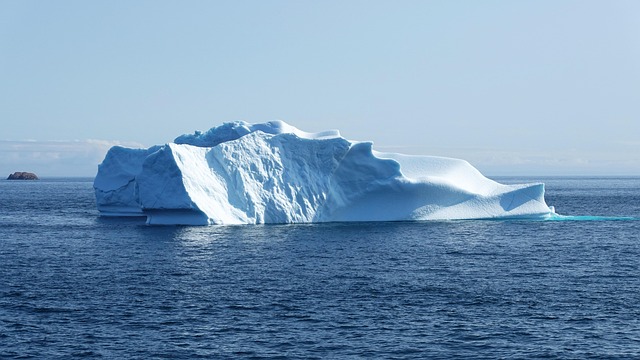


The planet’s temperature has risen by more than one degree Celsius since pre‑industrial times, a change that is already reshaping ecosystems and human societies. The most visible evidence is the accelerated melting of polar ice, the retreat of glaciers, and the shrinking of sea‑ice that once covered vast stretches of the Arctic Ocean. As temperatures climb, the stakes for communities that depend on stable climates grow ever higher, and the urgency to reduce greenhouse gas emissions has never been clearer.
Understanding Carbon Neutrality
Carbon neutrality is the goal of balancing the amount of carbon dioxide released into the atmosphere with an equivalent amount removed or offset. It does not mean that no emissions occur; rather, it requires that any unavoidable emissions be counterbalanced by measures such as reforestation, renewable energy projects, or carbon capture and storage. The concept has become central to international agreements like the Paris Accord, where nations pledge to limit warming to well below two degrees Celsius.
- Carbon accounting: tracking emissions across production, transport, and consumption.
- Offset projects: investing in renewable energy or forestry to sequester equivalent CO₂.
- Net-zero timelines: many countries and companies set 2050 as the target year for achieving carbon neutrality.
The Melting Pulse of the Climate System
The Arctic’s rapid ice loss is a vivid reminder that the climate system responds quickly to cumulative emissions. When sea ice melts, it reduces the surface albedo, meaning less sunlight is reflected back into space and more is absorbed, further warming the region in a positive feedback loop. The loss of ice also disrupts ocean currents and weather patterns, contributing to extreme weather events across the globe.
“The rate at which ice is disappearing is outpacing any mitigation strategy that is not implemented now.” – Climate scientist report, 2023
Industries on the Edge of Transformation
Several sectors face the most immediate pressure to adopt carbon‑neutral practices. Transportation, energy, and agriculture are the largest emitters. Each of these must transition from fossil fuels to alternatives that produce little or no net emissions. The pace of change is influenced by technological feasibility, economic incentives, and political will.
- Transportation: electrification of vehicles, hydrogen fuel cells, and increased public transit capacity.
- Energy: wind, solar, hydro, and, where feasible, geothermal, complemented by smart grids and energy storage.
- Agriculture: precision farming, regenerative practices, and methane‑reducing livestock management.
Carbon‑Neutral Cities: Case Studies
Urban centers are both significant emitters and powerful catalysts for change. A few cities have set a benchmark for carbon‑neutral initiatives. For example, a coastal city in Scandinavia has achieved net‑zero emissions by combining aggressive renewable energy deployment with strict building codes and incentives for electric vehicles. Meanwhile, a megacity in Asia is investing heavily in green infrastructure—parks, vertical gardens, and green roofs—to offset emissions from its dense population.
Policy Pathways and Economic Drivers
Governments worldwide are crafting policies to incentivize carbon‑neutral transitions. Carbon pricing, renewable subsidies, and regulatory standards are among the tools employed. Economic mechanisms such as green bonds, carbon trading markets, and investment incentives help align private capital with sustainability goals.
- Carbon taxes: internalizing the cost of emissions to motivate reductions.
- Renewable feed‑in tariffs: ensuring stable revenue for clean energy producers.
- Public procurement: prioritizing low‑carbon products and services in government contracts.
Technology and Innovation: The New Frontier
Innovation is the engine that will drive the rapid scale‑up of carbon‑neutral solutions. Breakthroughs in battery chemistry, hydrogen production, and carbon capture and utilization are reshaping the feasibility of low‑emission technologies. Emerging fields such as algae-based biofuels and synthetic carbon capture are still nascent but show promise for large‑scale deployment.
Challenges of a Rapid Transition
Despite the momentum, obstacles persist. The intermittency of wind and solar power, the need for new infrastructure, and social resistance to change can slow progress. Moreover, the cost of decarbonization can be unevenly distributed, affecting low‑income communities and developing economies disproportionately.
- Infrastructure investment: building new grids and storage capacity requires long‑term planning.
- Equity concerns: ensuring that the benefits of carbon‑neutrality are shared across all societal groups.
- Technical adaptation: integrating new technologies into existing systems without disruption.
Resilience and Adaptation: A Parallel Path
While carbon neutrality focuses on preventing further warming, adaptation measures are critical for dealing with the changes already underway. Strengthening coastal defenses, improving water management, and restoring natural ecosystems help communities survive in a warming world. Resilience planning is intertwined with decarbonization efforts; protecting nature while reducing emissions can yield co‑benefits for both the environment and human livelihoods.
Citizen Engagement and the Social Dimension
Individual choices, community initiatives, and public awareness campaigns contribute significantly to the journey toward carbon neutrality. Energy‑saving habits, dietary shifts, and active transportation are low‑cost actions that add up when adopted en masse. Public education about the links between climate change, melting ice, and carbon emissions fosters a culture of responsibility and collective action.
Looking Forward: A Sustainable Transition
The path to carbon neutrality is a marathon, not a sprint. It demands coordinated effort from governments, industry, science, and civil society. By aligning technology, policy, finance, and public will, the world can curb the rate of ice loss, stabilize temperatures, and secure a livable future for coming generations. The urgency is underscored by the stark evidence of melting glaciers and rising seas; the decision to act now will determine whether the planet’s fragile equilibrium is restored or irrevocably altered.