
When we think of the planet’s most urgent challenges, climate change often tops the list. Rising temperatures, melting ice caps, and increasingly unpredictable weather patterns are not just abstract headlines; they are tangible realities that affect every community, from bustling cities to quiet rural towns. Yet, amidst the complexity of global emissions, there is a simple, tangible tool that can make a significant difference: insulation. By improving how homes, businesses, and even industrial facilities retain or reject heat, insulation reduces the need for artificial heating and cooling, thereby cutting energy consumption and lowering greenhouse gas emissions.
The Science Behind Insulation
Insulation works by slowing the transfer of heat through walls, roofs, floors, and ducts. Materials such as fiberglass, foam, cellulose, and mineral wool each have unique properties that trap air pockets, making it harder for heat to move. In summer, this keeps cool air inside and hot air outside; in winter, it holds warmth within. The result is a more stable indoor temperature, which means heating and cooling systems can run less frequently and more efficiently.
- Lower energy bills: By reducing the workload on HVAC systems, insulation directly decreases electricity or gas usage.
- Smaller carbon footprints: Less fuel consumption translates to fewer carbon dioxide emissions, a primary driver of climate change.
- Enhanced comfort: Occupants experience fewer temperature swings and reduced drafts.
Insulation in Everyday Life
Think about a typical day in a home. In the morning, a furnace or heat pump warms the air to a comfortable level. As the sun rises, the walls and roof absorb heat, and the temperature outside climbs. Without adequate insulation, that warmth escapes quickly, forcing the heating system to work harder. Conversely, during a hot afternoon, a well-insulated roof can keep the interior cool, reducing the reliance on air conditioning.
“A single degree of temperature reduction can lead to a 10% decrease in heating and cooling costs over a year.” – Energy Efficiency Expert
Environmental Benefits of Proper Insulation
The environmental gains from insulating buildings are far-reaching. First, it directly cuts energy demand, which in many regions still depends on fossil fuels. Second, it diminishes the strain on power grids during peak demand periods, leading to fewer power plant operations and less associated pollution. Third, by extending the lifespan of heating and cooling equipment, insulation reduces waste from discarded appliances and metal.
Consider the collective impact: If every home in a mid-sized city were retrofitted with modern insulation, the annual reduction in CO₂ emissions could be equivalent to taking several thousand cars off the road. That’s a powerful illustration of how small, practical actions can accumulate into significant climate action.
Choosing the Right Insulation
Not all insulation is created equal. When selecting materials, residents and builders should weigh several factors: R-value (a measure of thermal resistance), cost, environmental impact, and suitability for the local climate.
- Fiberglass – Widely available and affordable; best for walls and attics.
- Cellulose – Made from recycled paper; offers high R-value and good sound dampening.
- Spray foam – Excellent for sealing gaps and providing a seamless barrier; higher upfront cost but long-term savings.
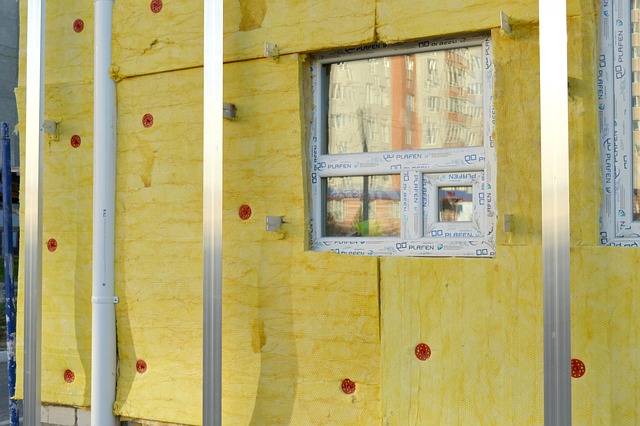
- Mineral wool – Resistant to fire and moisture; suitable for industrial and high-heat environments.
Regardless of the type chosen, the key is proper installation. Even the most advanced material can fail if it is placed incorrectly or if gaps and voids remain.
Case Studies: Real-World Success
Across the globe, cities and communities have implemented large-scale insulation programs. In Scandinavia, for example, a national mandate to insulate all new buildings has contributed to a noticeable drop in national energy consumption. In the United States, certain states offer rebates and tax credits for homeowners who upgrade their insulation, encouraging widespread participation.
In a small coastal town, a community retrofit project replaced old, air-leaky windows and added continuous insulation to the roof and walls. Within a year, residents reported a 25% reduction in heating costs, and the town’s collective emissions dropped by 15% compared to the previous decade.
Insulation as a Climate Adaptation Tool
Beyond its role in mitigating emissions, insulation is also essential for adapting to climate change. As temperature extremes become more frequent, buildings must be able to stay cool in hotter months and warm during colder spells. Properly insulated structures can absorb heat spikes and resist cold drafts, making them more resilient against sudden weather changes.
In regions prone to heatwaves, insulating windows and roofs can keep indoor temperatures below dangerous thresholds without relying on power-hungry air conditioning. Likewise, in areas experiencing sudden cold fronts, insulation prevents rapid heat loss, protecting residents from hypothermia and health risks associated with extreme cold.
Policy and Incentives
Governments at all levels are recognizing the value of insulation and are incorporating it into broader energy and climate policies. Common measures include:
- Building codes that require minimum R-values for new constructions.
- Rebate programs that offset the cost of installing high-performance insulation.
- Educational campaigns that raise awareness about the benefits of proper thermal management.
- Funding for community retrofit projects, especially in low-income neighborhoods.
By aligning economic incentives with environmental goals, policy makers create a virtuous cycle: more insulation leads to lower emissions, which in turn supports the overarching objective of reducing climate impacts.
Looking Ahead: Innovation in Insulation
Innovation continues to push the boundaries of what insulation can achieve. Emerging materials such as aerogels, phase-change substances, and even recycled textile fibers promise higher R-values, reduced environmental footprints, and greater adaptability. Additionally, advances in digital technology—like building information modeling (BIM) and smart sensors—allow for precise simulations of thermal performance, ensuring that the right insulation is used in the right place.
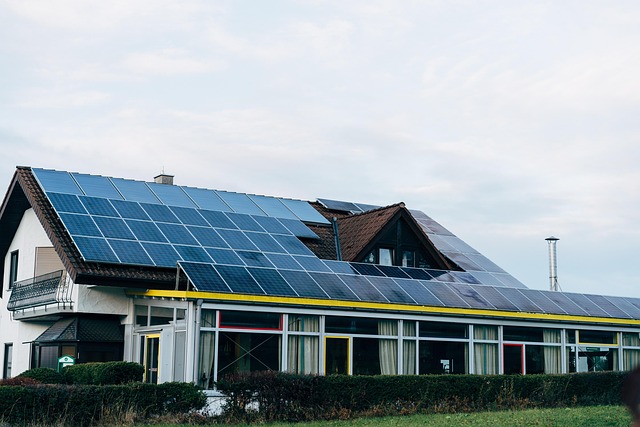
In the future, we may see integrated building envelopes that combine insulation with photovoltaic panels, creating walls that not only keep heat out but also generate clean energy. Such holistic approaches could dramatically reduce the energy demand of entire neighborhoods.
Takeaway for Residents and Builders
Insulation is more than a construction detail; it is a frontline defense against climate change. Whether you are a homeowner, a contractor, or a city planner, prioritizing insulation can:
- Reduce energy bills and improve indoor comfort.
- Lower greenhouse gas emissions and protect local ecosystems.
- Enhance resilience to extreme weather events.
- Contribute to a cleaner, healthier environment for future generations.
As the planet’s temperature continues to climb, the humble layers of insulation become an essential ally—quiet, efficient, and profoundly impactful. By embracing this simple yet powerful solution, we can all play a part in steering our world toward a warmer, but sustainable, future.