

In the quiet of a sunrise over the Atlantic, the world breathes a collective sigh of hope. Across continents, voices rise in unison, not to demand war or division, but to affirm that the Earth’s fragile pulse can be sustained by a renewed commitment to peace and environmental stewardship. This declaration is a living document, a pledge by nations, cities, and individuals to work together toward a climate‑just future, recognizing that true peace is inseparable from the health of the planet.
Why Peace Matters in a Warming World
The term “peace” has traditionally been reserved for the absence of conflict between states. Yet the escalating climate crisis is a silent antagonist that undermines peace at every level of society. Extreme weather events, dwindling food supplies, and forced migrations erode social cohesion and trigger disputes over resources. By placing peace at the heart of climate action, we confront the fact that the climate system is the ultimate common denominator of human security.
- Heatwaves that cause health emergencies create new strains on local communities, fostering mistrust when resources become scarce.
- Flooding and drought shift agricultural patterns, forcing farmers to abandon homes and cross borders in search of stability.
- Sea‑level rise threatens coastal cities, generating competition for land and creating potential flashpoints.
Addressing these challenges through a peace‑centric lens helps prevent conflicts and promotes cooperation. When nations recognize that climate change is a shared threat, the motivation to work together strengthens.
Global Context: The Climate Numbers that Demand Action
Scientific consensus states that global mean temperature has risen about 1.2 °C above pre‑industrial levels, with the last decade being the warmest on record. Carbon dioxide concentrations now exceed 420 ppm, higher than at any point in the last 800,000 years. If left unchecked, projections show a 3–5 °C increase by 2100, depending on emissions pathways.
“The climate system is not an abstract concept; it is the stage on which all human life plays. A warmer world destabilizes ecosystems, disrupts food chains, and escalates human suffering.” – A voice for planetary justice
These statistics are not mere numbers; they represent the lives of billions who will feel the tremors of climate change through food insecurity, health risks, and the loss of homes. A declaration that prioritizes peace must confront these realities head‑on, turning data into decisive policy action.
Local Actions that Build Global Peace
While governments draft policies, the momentum for peace and environmental harmony often starts in the neighborhoods and schools of the world. Below are examples of grassroots initiatives that have made measurable progress.
- Community gardens in urban centers not only supply fresh produce but also serve as green lungs that reduce heat islands and foster social bonds.
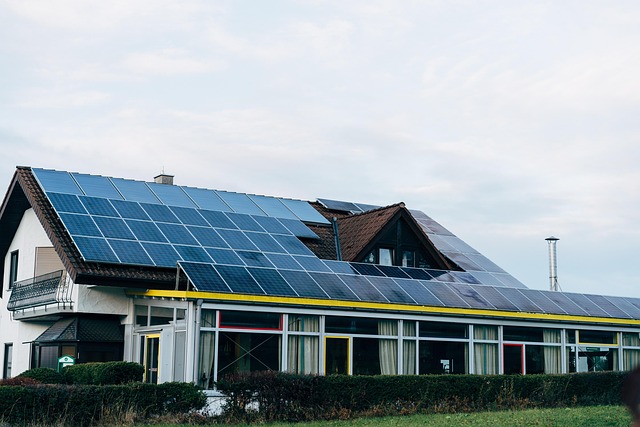
- Co‑operative energy projects, where residents invest in solar panels, distribute savings, and reduce dependence on fossil fuels.
- River restoration projects that involve local stakeholders in cleaning waterways, improving biodiversity, and creating spaces for recreation and reflection.
These projects illustrate how simple, locally driven actions can ripple outward, creating a network of peace‑building efforts that reinforce one another across borders.
Technology as a Peace Tool
Innovations in clean energy, carbon capture, and climate modeling are not just scientific achievements; they are instruments of peace. By providing tools that reduce emissions, we lower the stakes for conflict over resources.
For instance, the deployment of decentralized renewable energy systems in remote regions can curtail disputes over centralized power grids. Likewise, open‑source climate models give all nations access to the same data, fostering transparency and collaborative problem‑solving.
However, technology must be paired with equitable policies to ensure that the benefits are shared, preventing new forms of inequality that could breed unrest.
Policy Measures for Sustainable Peace
Governments hold the power to institutionalize peace through legislation, financial incentives, and international agreements. The following measures have proven effective in linking environmental policy to social stability.
- Carbon Pricing: By attaching a cost to greenhouse gas emissions, this policy internalizes the environmental externality, reducing the likelihood of resource‑driven conflicts.
- Just Transition Programs: Providing retraining, social safety nets, and community development funds to workers displaced by the shift away from fossil fuels maintains economic equilibrium and social trust.
- Climate‑Resilient Infrastructure: Investing in flood defenses, drought‑tolerant agriculture, and resilient supply chains mitigates the risk of climate‑induced displacement.
- International Climate Funds: Voluntary contributions from high‑emitting nations support adaptation projects in vulnerable regions, fostering diplomatic goodwill.
When these policies are framed around the concept of peace—highlighting how climate action preserves communities, protects livelihoods, and strengthens mutual trust—they gain broader public support.
Education: The Long‑Term Pillar of Peace
Integrating climate literacy into school curricula ensures that future generations understand the stakes and feel empowered to act. Education creates a shared language that bridges cultural divides, allowing people from disparate backgrounds to collaborate toward a common goal.
Programs that involve students in citizen science, local conservation projects, and sustainability competitions nurture stewardship and mutual respect. When youth voice their concerns, the political agenda reflects their commitment to a peaceful planet.
The Role of Youth in Climate Peacebuilding
Young activists around the world have demonstrated that age is not a barrier to influencing policy. Their focus on intersectionality—linking climate justice with human rights, gender equality, and economic opportunity—offers a holistic approach to peace.
Through digital platforms, youth movements can mobilize millions, turning climate protests into collaborative campaigns that highlight how environmental degradation fuels societal fractures. By emphasizing the shared responsibility for Earth’s future, they create a sense of global kinship that is essential for lasting peace.
Corporate Responsibility and Peace
Companies wield enormous influence through supply chains, labor practices, and resource extraction. Corporate environmental responsibility—such as transparent reporting, sustainable sourcing, and community engagement—reduces environmental harm and fosters social harmony.
When businesses commit to net‑zero emissions and invest in green technology, they help lower the cost of living for workers and reduce the likelihood of labor disputes. Furthermore, corporate stewardship of local ecosystems can restore habitats, strengthening the resilience of communities against climate shocks.
International Cooperation: The Ultimate Peace Agreement
Global agreements such as the Paris Accord illustrate the power of unified action. By setting binding emission reduction targets, nations commit to a collective vision of climate‑stable peace.
To reinforce this commitment, a new framework can be introduced: the Global Peace‑Climate Charter. This charter would outline shared responsibilities, transparent reporting mechanisms, and joint investment funds dedicated to conflict prevention in climate‑vulnerable regions.
Such a charter would serve as a living promise—an ongoing dialogue between governments, civil society, and the private sector—ensuring that climate policies remain aligned with the goal of enduring peace.
Monitoring and Accountability
Peaceful progress requires robust monitoring systems. Regular assessments of emission reductions, biodiversity metrics, and socioeconomic indicators help detect early signs of conflict or inequity.
Independent panels, composed of scientists, community leaders, and former diplomats, can review these metrics and recommend adjustments. Transparency builds trust, a cornerstone of peace, and ensures that nations remain honest about their environmental performance.
Conclusion: A Shared Path to Peaceful Harmony
Peace and the planet are intertwined. A warming world threatens the fabric of human society, but by embracing collaborative, inclusive, and forward‑thinking strategies, we can reverse the tide.
This declaration invites every stakeholder—citizens, governments, businesses, and the natural world—to join hands. Together, we can transform the looming crisis into an opportunity for renewal, ensuring that the Earth remains a place where peace thrives, tomorrow and beyond.