

Climate change is no longer a distant threat; it is a present, measurable reality that is reshaping ecosystems, economies, and societies worldwide. As temperatures climb and weather extremes become more frequent, the need to adopt practical, scalable solutions has never been greater. This article explores the diverse options available to mitigate warming, adapt to its impacts, and build resilience for future generations.
The Urgency of Addressing Warming
The past decade has seen an unprecedented rise in global average temperatures, pushing the planet closer to the thresholds set by the Paris Agreement. Even modest increases in heat can trigger cascading effects—sea‑level rise, drought, and loss of biodiversity—compounding social inequities. By 2050, if current trends continue, many regions could experience average temperatures above 2 °C, a level associated with severe disruptions to food security, water supplies, and health systems. Facing these realities requires an array of options that combine science, policy, and community engagement.
Options for Reducing Emissions
Reducing greenhouse gas emissions is the cornerstone of any climate strategy. There are several interconnected pathways that governments, businesses, and individuals can pursue:
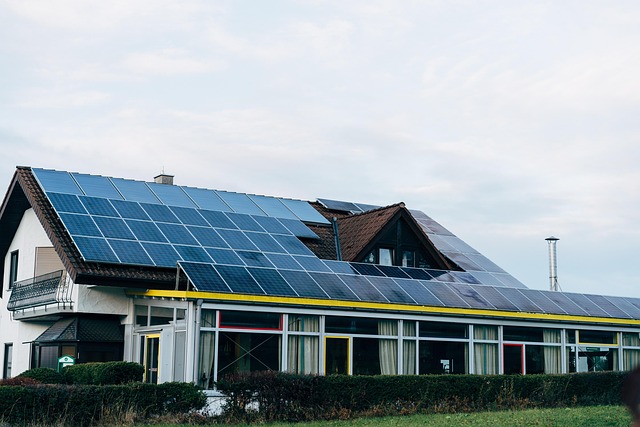
- Energy Transition – Shifting from fossil fuels to renewable sources such as wind, solar, and hydroelectric power dramatically cuts carbon output. Investing in grid upgrades ensures that renewable generation can be integrated reliably.
- Electrification of Transport – Electric vehicles, public transit, and charging infrastructure reduce the reliance on gasoline and diesel. Combining these with policies that promote cycling and walking amplifies the effect.
- Industrial Decarbonization – Implementing carbon capture, utilization, and storage (CCUS) technologies, as well as adopting low‑carbon processes, can lower emissions from cement, steel, and chemical production.
- Agricultural Innovation – Precision farming, regenerative agriculture, and reduced methane emissions from livestock are vital to lower the sector’s footprint.
- Carbon Pricing – Taxes or cap‑and‑trade systems create economic incentives for low‑carbon choices, encouraging investment in clean technology.
Adaptation Options for Vulnerable Communities
Even with aggressive mitigation, some warming will be inevitable. Adaptation strategies aim to reduce vulnerability and safeguard livelihoods:
- Coastal defense systems, such as seawalls and living shorelines, protect against sea‑level rise and storm surges.
- Water‑efficient irrigation and drought‑resistant crop varieties ensure food security in arid regions.
- Urban heat island mitigation through green roofs, reflective pavements, and expanded tree canopy lowers local temperatures.
- Improved early‑warning systems for extreme weather events enhance disaster preparedness.
- Health infrastructure upgrades to address heat‑related illnesses and vector‑borne diseases.
The Role of Emerging Technologies
Technology is a double‑edged sword: it can be a source of emissions or a tool for reducing them. The following innovations are poised to shape the future of climate action:
“Renewable energy has become the cheapest source of power in many markets, and its scalability is a game changer. The challenge lies in integrating these variable supplies into the grid and ensuring resilience,” says Dr. Elena Ramirez, a leading researcher in sustainable energy systems.
Key technological pathways include:
- Advanced battery storage to buffer renewable intermittency.
- Artificial photosynthesis and bioenergy with carbon capture to produce carbon‑neutral fuels.
- Geospatial monitoring tools that enable real‑time assessment of environmental changes.
- AI‑driven optimization of energy consumption in buildings and industrial processes.
- Smart agriculture systems that reduce inputs while maintaining yields.
Policy and Governance Options
Effective governance is crucial for coordinating climate action across scales. Policymakers have several options to institutionalize change:
- Adopting comprehensive climate legislation that sets binding emission reduction targets.
- Establishing climate funds that support low‑carbon transitions in developing economies.
- Incentivizing green innovation through research grants and tax credits.
- Reforming land‑use planning to preserve forests, wetlands, and other carbon sinks.
- Ensuring transparent reporting mechanisms that track progress against agreed benchmarks.
Cross‑sector collaboration—between government, industry, academia, and civil society—fosters shared ownership of solutions and accelerates deployment.
Community and Individual Choices
While large‑scale interventions are necessary, individual actions can collectively create substantial impact. Options for everyday choices include:
- Adopting a plant‑based or reduced‑meat diet to lower methane emissions.
- Choosing public transportation, carpooling, or cycling over private vehicles.
- Reducing household energy use through efficient appliances, insulation, and smart thermostats.
- Supporting local, sustainably produced goods to shrink the supply chain footprint.
- Participating in community initiatives such as tree planting, neighborhood solar co‑ops, or waste reduction programs.
Education and awareness campaigns can amplify these actions, turning individual habits into a culture of sustainability.
Looking Ahead: A Roadmap for a Sustainable Climate Future
Combining the options outlined above can guide societies toward a resilient, low‑carbon trajectory. Key steps include:
- Strengthening international cooperation to align climate commitments and finance transitions.
- Expanding renewable capacity while upgrading grid infrastructure to support distributed generation.
- Investing in climate‑smart agriculture and water‑management technologies.
- Implementing robust policy frameworks that balance economic growth with ecological stewardship.
- Fostering innovation ecosystems that encourage breakthrough solutions and ensure equitable access.
- Empowering communities through participatory planning, capacity building, and transparent governance.
Ultimately, the path to a sustainable climate future is not a single solution but a portfolio of complementary options. By harnessing technology, policy, and collective action, humanity can shift the trajectory of warming, preserve the planet’s integrity, and secure a livable world for generations to come.