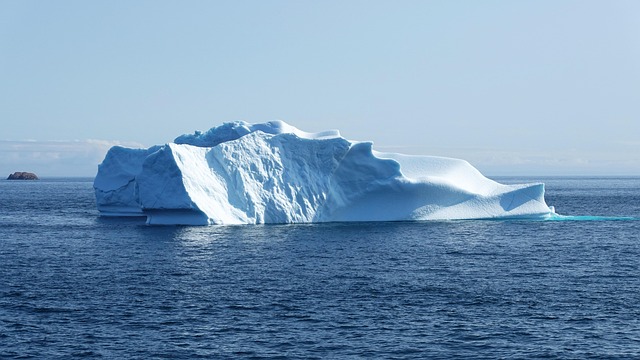
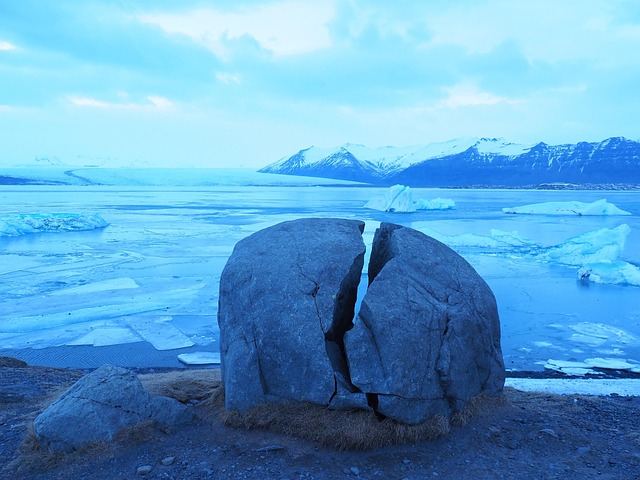

As the Earth’s temperature continues to rise, signs of environmental distress become more visible in even the most remote corners of our planet. Among the most sobering of these signs is the transformation taking place within glacial regions. While much of the focus remains on the melting ice, another component often overlooked is the glacier stone—solid witnesses of ancient timelines now being reshaped by humanity’s impact on the climate. These stones, once embedded deep within mighty glaciers, are becoming more exposed and mobile as ice sheets recede.
Glacier stone is not just frozen rock; it represents the geological memory of our Earth. As glaciers melt, these stones tumble into the environment below, often altering habitats. Their dislocation from icy prisons leads to a chain reaction—disturbance of soil layers, erosion, and a shift in local biodiversity. When once these stones were steadfast anchors of glacial masses, they now contribute to the ecological instability caused by climate change. They move from symbols of resilience to silent indicators of urgency.
The environmental consequences are multifaceted. Melting glaciers accelerate sea-level rise, but the debris they deposit, including glacier stone, reshapes riverbeds, floods valleys, and buries flora and fauna under shifting layers of sediment. Species accustomed to the cold, mineral-rich flow regulated by glacial melt must now adapt or perish. Smaller organisms, which depend on the nutrient-carrying meltwater, also suffer, disturbing the base of the food chain. These seemingly small changes have dramatic consequences over time.
It’s also crucial to consider how communities near glacial regions are adapting—or failing to adapt—to these changes. For generations, these areas have relied on controlled glacial melt to feed water systems. As warming increases and rocks previously hidden within the ice now emerge, the entire landscape becomes unstable both physically and ecologically. Avalanches and landslides caused by newly mobile glacier stones add another risk layer for infrastructure and livelihoods.
What brings this narrative close to home for many is that we, too, are affected, even from miles away. The environmental ripples sent out from melting glaciers and cascading glacier stones eventually reach wider ecosystems. Climate change is not a distant concern; it is literally shifting stone foundations today. We can see these stones not just as remnants of a disappearing world, but as messengers urging us to pay attention and take action. They speak of a planet in flux, a changing climate, and an environment that can no longer wait.