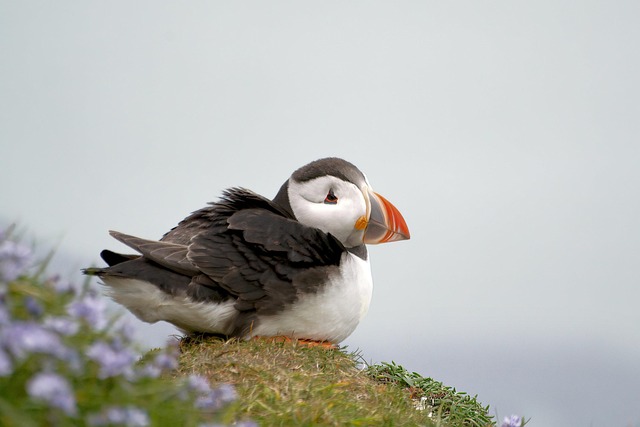

When we think of the vast oceans and the peaceful sound of waves crashing against the shore, one of the first images that come to mind is that of majestic seabirds soaring through the sky. These magnificent creatures have long been a symbol of freedom and resilience, but they are now facing a threat unlike any they have encountered before – climate change.
With the environment changing at an alarming rate, seabirds are struggling to adapt to their rapidly transforming habitats. Rising sea temperatures, increasingly acidic waters, and the melting of polar ice caps are just some of the consequences of climate change that are wreaking havoc on our feathered friends.
Seabirds rely on a delicate balance of environmental factors to survive – from the availability of fish for food to suitable nesting sites along coastlines and on islands. However, as the planet warms, these crucial elements are being disrupted, pushing seabird populations to the brink of extinction.
One of the most significant impacts of climate change on seabirds is the alteration of their food sources. Many seabird species depend on fish as their primary source of nutrition, but with rising sea temperatures, fish populations are dwindling, making it increasingly challenging for seabirds to find sustenance.
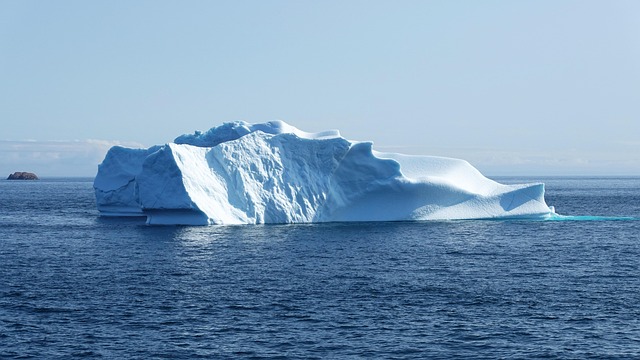
Additionally, the loss of sea ice due to climate change is also having a devastating effect on seabirds that rely on these icy habitats for breeding and raising their young. As the ice melts away, seabirds are left stranded, with nowhere to build their nests and raise their chicks.
It is heartbreaking to see these beautiful creatures struggling to survive in a world that is rapidly changing around them. If we do not take immediate action to combat climate change and protect the habitats of seabirds, we risk losing them forever.
As stewards of this planet, it is our responsibility to do everything in our power to ensure the survival of seabirds and other vulnerable species. By advocating for stronger environmental policies, supporting conservation efforts, and raising awareness about the impacts of climate change, we can make a difference and help preserve these iconic creatures for generations to come.