
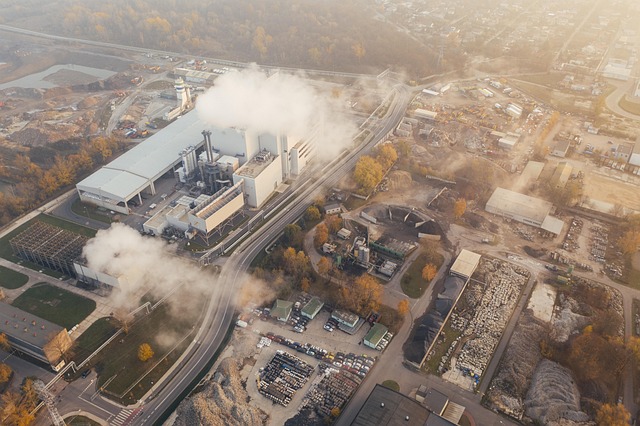

Industrial emissions have become a central force shaping the trajectory of global climate change. From the soot produced by coal‑fired power plants to the potent greenhouse gases released by chemical factories, these emissions are a major source of atmospheric warming. Understanding the scale, sources, and impacts of industrial emissions is essential for crafting effective environmental policies and protecting ecosystems worldwide.
Historical Context of Industrial Emissions
The industrial revolution marked the beginning of sustained, large‑scale emissions into the atmosphere. Initially dominated by the combustion of coal, the process laid the foundation for modern industrial activity. Over the past two centuries, the rise of steel mills, refineries, and cement plants has steadily increased the volume of carbon dioxide, methane, and other pollutants released each year. This historical perspective highlights how industrial emissions have evolved in tandem with technological progress and economic growth.
- Early 19th century: Predominantly coal‑based energy.
- Mid‑20th century: Expansion of petrochemical and steel production.
- 21st century: Shift toward synthetic materials and large‑scale manufacturing.
Key Industrial Sectors
Several industries contribute disproportionately to industrial emissions. The energy sector, especially coal‑fired power generation, remains the largest source of carbon dioxide. Cement production releases significant CO₂ through the calcination process, while steel manufacturing emits both CO₂ and other gases such as nitrogen oxides. The chemical industry contributes to the release of methane and chlorofluorocarbons, which have high global warming potentials.
“Industrial emissions account for roughly one‑third of global greenhouse gas output, underscoring the urgency for sector‑specific reforms.”
Mechanisms of Emission Release
Industrial processes release gases through combustion, chemical reactions, and material decomposition. Combustion of fossil fuels in boilers and furnaces directly emits CO₂ and particulate matter. Chemical reactions, such as the conversion of limestone to clinker in cement plants, liberate CO₂ as a byproduct. Additionally, the release of volatile organic compounds during manufacturing can form secondary pollutants that intensify local air quality issues.
Quantifying Emissions
Measuring industrial emissions involves detailed inventory methods. Facilities track fuel consumption, process outputs, and byproduct generation to estimate greenhouse gas releases. International frameworks, such as the Greenhouse Gas Protocol, provide standardized guidelines that help companies report emissions accurately. These inventories are crucial for setting emission reduction targets and for monitoring progress over time.
- Data collection on energy use and raw material inputs.
- Application of emission factors to calculate gas outputs.
- Verification by third‑party auditors to ensure reliability.
Environmental Consequences
Industrial emissions contribute significantly to atmospheric temperature rise, sea‑level increase, and the frequency of extreme weather events. The heat trapped by greenhouse gases from industrial processes accelerates the melting of polar ice, leading to rising oceans. Additionally, particulate matter from combustion exacerbates air pollution, resulting in health problems such as respiratory illnesses and cardiovascular disease. These environmental and health impacts create a cascade of socioeconomic challenges.
Impact on Biodiversity
Elevated temperatures and altered precipitation patterns affect ecosystems worldwide. Forests may experience increased fire risk, while wetlands can dry up or become more acidic. Industrial emissions also introduce pollutants that harm aquatic life, disrupt breeding cycles, and reduce species diversity. Protecting biodiversity requires reducing the carbon footprint of industrial activities and implementing stricter environmental safeguards.
Regulatory Landscape
Governments worldwide have enacted regulations to curb industrial emissions. Emission caps, carbon pricing, and technology mandates are common tools. In the European Union, the Emissions Trading System places a price on CO₂, incentivizing firms to adopt cleaner practices. In the United States, the Clean Air Act and the Department of Energy’s regulatory framework set limits on particulate matter and greenhouse gases from major industrial facilities.
International Agreements
Global accords such as the Paris Agreement provide a platform for collective action against industrial emissions. Countries commit to limiting global temperature rise to well below 2 °C above pre‑industrial levels, which requires aggressive reductions in industrial greenhouse gas output. The agreement encourages technology transfer and financial support for developing nations to implement low‑emission production methods.
- Emission reduction targets tailored to national circumstances.
- Reporting mechanisms for transparency.
- Support for clean technology adoption.
Technological Innovations
Emerging technologies promise to transform industrial emissions. Carbon capture and storage (CCS) systems can trap CO₂ before it reaches the atmosphere, diverting it to underground repositories or utilizing it in other processes. Renewable energy integration, such as using solar or wind power for industrial processes, can dramatically reduce fossil fuel dependence. Additionally, advancements in materials science are leading to the development of low‑emission cement and steel alternatives.
Case Study: Low‑Carbon Cement
Traditional cement production releases about 0.8 tons of CO₂ per ton of cement produced. Innovations like lime‑based additives, alternative fuels, and recycled materials are cutting emissions by up to 30 %. Companies employing these techniques report not only environmental benefits but also cost savings due to reduced energy use and waste disposal expenses. These successes demonstrate the feasibility of scaling low‑carbon solutions across the industry.
Economic Implications
While reducing industrial emissions can entail upfront costs, the long‑term economic advantages are significant. Lower energy consumption, improved worker health, and compliance with emerging regulations reduce operational risks. Moreover, companies that pioneer green technologies gain competitive edges in markets increasingly favoring sustainability. Investors are also directing capital toward firms with robust environmental performance, creating new growth opportunities.
Policy Incentives and Market Forces
Governments offer tax credits, grants, and subsidies to accelerate the adoption of emission‑reducing technologies. Simultaneously, market forces—such as consumer demand for eco‑friendly products and corporate sustainability commitments—push industries toward greener practices. The interplay of policy and market dynamics drives the innovation pipeline and shapes the future trajectory of industrial emissions.
Future Outlook
Looking ahead, the path to a low‑emission industrial sector hinges on collaboration between governments, businesses, and communities. Continued investment in research and development, coupled with robust regulatory frameworks, will be essential to meet global climate goals. As industrial emissions continue to influence climate dynamics, proactive measures and adaptive strategies will determine the resilience of both natural ecosystems and human societies.