
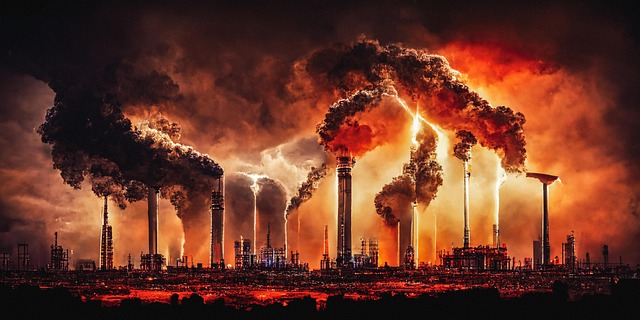

The world is currently navigating a complex web of interlinked challenges, none more urgent than the escalating energy crisis. This crisis is not simply a matter of supply and demand; it is a catalyst that magnifies extreme weather patterns, accelerates environmental degradation, and reshapes global socioeconomic landscapes. The energy crisis forces societies to confront the hard truth that our continued reliance on fossil fuels is incompatible with a rapidly changing climate and with the ecosystems that sustain life on Earth.
The Root Causes of the Energy Crisis
At its core, the energy crisis is driven by a mismatch between the rate of consumption and the availability of renewable resources. Decades of unregulated extraction, coupled with inadequate investment in clean technology, have left the planet exposed to volatile markets and geopolitical tensions. When supply chains are disrupted—by war, sanctions, or natural disasters—the energy crisis manifests in soaring prices, blackouts, and a widening inequality gap.
- Overreliance on fossil fuels creates bottlenecks during geopolitical conflicts.
- Insufficient infrastructure for renewables hampers energy diversification.
- Policy inertia prevents timely adaptation to emerging climate realities.
Energy Crisis and Extreme Weather
The energy crisis is tightly intertwined with extreme weather events. The combustion of coal, oil, and natural gas releases greenhouse gases that intensify global warming. As temperatures rise, the planet experiences more intense heatwaves, heavy rainfall, and powerful hurricanes. These events, in turn, strain power grids that are already stretched thin by limited capacity and aging infrastructure.
“Extreme weather is not an isolated phenomenon; it is a symptom of the systemic failures that fuel the energy crisis,” says a leading climatologist.
Environmental Impact Beyond the Grid
The environmental fallout from the energy crisis is multifaceted. Air pollution from burning fossil fuels contributes to respiratory illnesses and acidification of oceans, while methane leaks from natural gas infrastructure amplify warming potential. Deforestation, often linked to the expansion of palm oil plantations or biofuel crops, reduces carbon sinks and destroys habitats.
Moreover, the extraction of resources for energy—whether through hydraulic fracturing, deep-sea drilling, or mining—poses risks of water contamination, soil erosion, and loss of biodiversity. The energy crisis forces communities to confront these environmental costs, prompting a shift toward more sustainable consumption patterns.
Socioeconomic Ripple Effects
Energy insecurity disproportionately affects low-income populations, who spend a higher proportion of their income on heating and cooling. In regions prone to extreme weather, the cost of emergency relief is amplified, further straining public budgets. The energy crisis also destabilizes local economies that rely heavily on oil and gas exports, forcing a reevaluation of industrial priorities and workforce skills.
- Job losses in traditional energy sectors create gaps in local labor markets.
- Transition to renewables requires investment in training and technology transfer.
- Economic resilience hinges on diversifying energy portfolios.
Policy Pathways for Mitigation
Addressing the energy crisis requires coordinated policy actions that bridge the gap between immediate needs and long-term sustainability. Governments must enact regulatory frameworks that incentivize renewable energy adoption while phasing out subsidies for fossil fuels. Carbon pricing mechanisms, such as taxes or cap-and-trade systems, internalize the environmental costs of energy production and create market signals for cleaner alternatives.
Public investment in grid modernization—intelligent meters, battery storage, and interconnectors—will enhance resilience against extreme weather events. Furthermore, international cooperation is essential; shared research initiatives and technology exchanges can accelerate the deployment of emerging energy solutions in developing regions.
Technology Innovations on the Horizon
Several emerging technologies hold promise for easing the energy crisis. Solar photovoltaics continue to decline in cost, while perovskite solar cells offer higher efficiencies. Offshore wind farms harness stronger, more consistent winds, and advanced turbine designs expand their feasible locations. Energy storage systems, such as lithium-ion batteries and flow batteries, are becoming more affordable, providing the temporal flexibility needed to balance supply and demand.
“Investing in energy storage is as critical as investing in renewable generation,” argues a leading engineer.
Community‑Level Adaptations
At the grassroots level, communities can adopt practices that reduce dependence on grid electricity and build resilience. Rainwater harvesting, solar lanterns, and community microgrids enable neighborhoods to maintain power during outages. Energy-efficient building designs—passive solar heating, better insulation, and heat‑reflective roofing—significantly lower heating and cooling demands.
Education campaigns that raise awareness of energy consumption habits—such as turning off lights, using smart thermostats, and adopting low‑carbon diets—complement technological solutions. When citizens understand the links between their choices, the energy crisis, and extreme weather, they become active participants in climate stewardship.
Case Study: Island Nation Resilience
Small island nations exemplify the intersection of energy crisis and climate vulnerability. In many Pacific islands, a heavy reliance on diesel generators for electricity makes them susceptible to fuel price shocks and supply disruptions. Recognizing this, several islands have launched integrated renewable projects—combining solar panels with battery storage and community microgrids—to secure energy independence and reduce carbon footprints.
These projects have delivered tangible benefits: lower electricity bills for residents, decreased greenhouse gas emissions, and a measurable reduction in heat stress during extreme heatwaves. The island experience demonstrates that even modest investments in clean energy can yield outsized climate resilience.
The Role of International Agreements
Global accords, such as the Paris Agreement, set a framework for collective action against climate change. However, the energy crisis reveals the limits of voluntary commitments. The next generation of international treaties must incorporate enforceable mechanisms—financial flows, technology transfer protocols, and accountability metrics—that directly address the root causes of energy scarcity and environmental degradation.
In particular, climate finance mechanisms should prioritize projects that enhance renewable infrastructure in vulnerable regions, ensuring that the transition to clean energy does not leave the most affected communities behind. By aligning global policy with the urgency of the energy crisis, the international community can catalyze a decisive shift toward sustainability.
Conclusion: A Call to Action
The energy crisis stands at the crossroads of extreme weather, environmental harm, and societal well‑being. Its resolution demands a multi‑layered approach: robust policy frameworks, technological innovation, community empowerment, and international collaboration. As the planet’s climate continues to shift, the window for transformative change narrows.
Each stakeholder—governments, businesses, scientists, and citizens—carries a piece of the solution. Together, they must act decisively, turning the energy crisis from a symptom of systemic failure into a catalyst for a resilient, low‑carbon future. The stakes are clear: failure to address the crisis will amplify extreme weather events, deepen environmental damage, and entrench inequality; success will usher in an era of sustainable energy that supports thriving ecosystems and equitable societies.