
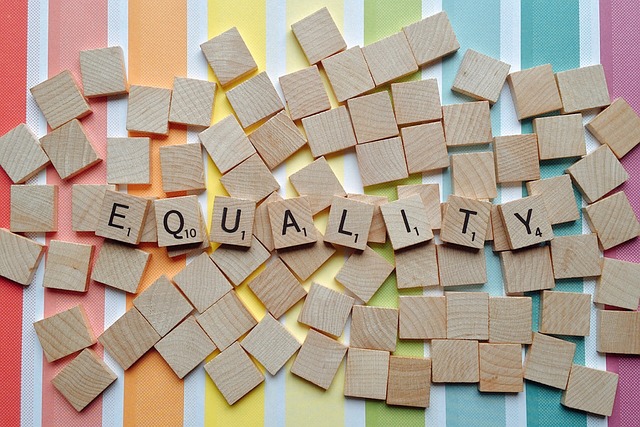

Extreme weather events—floods, wildfires, hurricanes, and heatwaves—have become the new normal in many parts of the world. As the frequency and intensity of these phenomena rise, the need for an equitable response grows ever more urgent. Equality in climate action means that all communities, regardless of income, ethnicity, or geography, receive the same level of protection, support, and opportunity to adapt and thrive. This article explores how unequal vulnerability and resource distribution amplify the impact of extreme weather, and outlines practical steps for achieving a fairer, more resilient future.
Unequal Exposure to Extreme Weather
Historical patterns of settlement and development have placed the most marginalized populations in the most hazardous locations. Low‑lying coastal neighborhoods often sit on the frontlines of storm surge, while low‑cost housing in floodplains or near rivers remains exposed to rising waters. In addition, industrial zones, historically favored for their job opportunities, can double as sites of toxic spills when storms overwhelm containment systems. The resulting environmental injustice places the same communities that contribute the least to greenhouse gas emissions at the greatest risk.
- Proximity to hazards is linked to socioeconomic status and historical zoning policies.
- Disproportionate disaster losses reinforce cycles of poverty and displacement.
- Climate adaptation budgets frequently favor wealthier regions, leaving vulnerable communities underfunded.
Economic Disparities and Recovery
After a severe storm or heatwave, the cost of rebuilding can be prohibitive. Insurance coverage, often the first line of financial aid, is not always available or affordable for low‑income households. Even when coverage exists, claim processes can be slow and complex, leaving families stranded without basic shelter or utilities for extended periods.
“The cost of rebuilding a home after a hurricane can exceed a family’s lifetime savings if they lack proper insurance or financial safety nets.” – Climate Justice Research Center
Public Health Implications of Inequity
Extreme weather does not merely damage property; it threatens health on multiple fronts. Heatwaves increase mortality rates among the elderly and those with chronic illnesses, while poor air quality during wildfires can trigger respiratory distress. Communities with limited access to healthcare, clean water, or nutritious food are less equipped to manage these risks. Moreover, mental health strains—such as anxiety, depression, and post‑traumatic stress—are disproportionately high among those who experience repeated climate shocks without adequate support.
- Heat adaptation measures (cooling centers, shaded public spaces) must be distributed equitably.
- Emergency medical services need to prioritize high‑risk neighborhoods.
- Long‑term mental health programs should be integrated into disaster recovery plans.
Energy Inequality and Extreme Weather
Energy resilience is another critical facet of equality. In many developing regions, unreliable power grids exacerbate the impact of heatwaves and power outages caused by storms. Solar and wind projects can offer distributed, localized solutions, but funding and technical support often remain concentrated in wealthier, politically connected areas. Bridging this divide requires deliberate policy interventions that recognize energy access as a fundamental right.
Policy Frameworks That Promote Equality
Achieving fairness in climate action demands both top‑down policy shifts and bottom‑up community engagement. Governments can adopt a “just transition” approach that ensures economic opportunities—such as green jobs—are available in historically disadvantaged communities. Additionally, regulatory frameworks should require that new infrastructure projects meet strict equity impact assessments before approval.
- Inclusion of marginalized voices in climate planning committees.
- Progressive taxation of carbon-intensive industries to fund adaptation grants.
- Mandatory disclosure of climate risk exposure for investors and creditors.
Community‑Driven Adaptation Strategies
While policy sets the stage, the day‑to‑day actions of residents shape resilience outcomes. Community gardens and urban green roofs mitigate heat islands; local water‑sharing schemes improve drought resilience; neighborhood watch groups can assist during evacuations. These initiatives, often initiated by community members themselves, exemplify how equality in climate action is achieved through empowerment and collective stewardship.
Financing the Path to Equality
Funding is a perennial challenge for climate adaptation, yet equitable solutions require deliberate allocation of resources. Global climate funds—such as the Green Climate Fund—must prioritize projects that directly address vulnerabilities in the most at‑risk populations. Public‑private partnerships can also channel capital into renewable infrastructure in low‑income districts, ensuring that benefits are shared fairly.
“Equitable finance is not an optional add‑on; it is a foundational pillar for sustainable climate resilience.” – International Development Bank
Metrics and Accountability
Measuring progress toward equality involves both quantitative and qualitative metrics. Indicators such as the proportion of climate spending allocated to underserved communities, changes in disaster mortality rates across income groups, and accessibility of clean energy technologies provide tangible benchmarks. Transparent reporting mechanisms and independent audits help maintain accountability and foster trust among stakeholders.