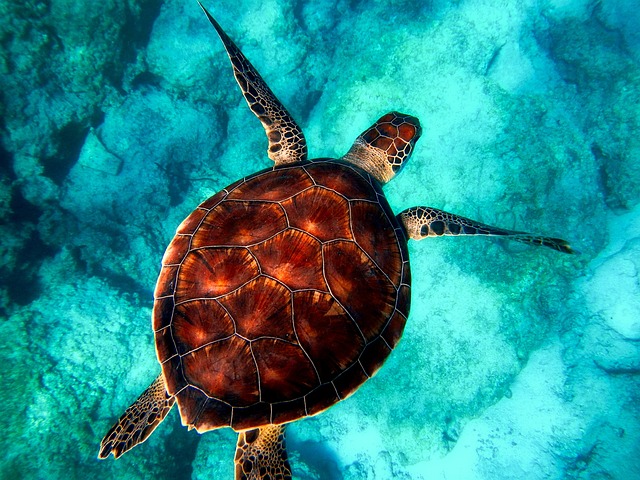

For generations, the sight of a sea turtle gliding through turquoise waves has become an emblem of nature’s resilience. Yet today, those gentle creatures are confronting a new threat that ripples far beyond the shallow shores they call home. Rising temperatures, acidifying seas, and shrinking nesting beaches are reshaping the very fabric of ocean ecosystems. In the face of these challenges, sea turtles are not merely victims; they are living warnings, urging humanity to act on climate change before the currents of possibility give way to irreversible loss.
How Climate Change is Changing the Oceanic Canvas
The ocean is a vast, interconnected system where even subtle shifts can produce cascading effects. Climate change alters ocean temperature, salinity, and acidity, influencing everything from plankton growth to the distribution of marine predators. Sea turtles, which have evolved over millions of years to navigate this intricate environment, now find their sensory cues and navigational routes altered by a warming world.
- Increased sea surface temperatures reduce the depth of suitable thermal habitats for species such as the green turtle.
- Ocean acidification compromises coral reef structures that many sea turtles rely on for foraging.
- Altered currents can displace hatchlings, making it harder for them to reach nutrient-rich feeding grounds.
The Silent Crisis of Nesting Beaches
While the ocean’s depth may be the most dramatic battleground, the very sand where sea turtles lay their eggs is under siege. Rising sea levels and increased storm intensity erode shorelines, washing away nests before the eggs can develop. The thermal environment of nests also matters; even a 1–2°C rise can skew sex ratios, producing more females than males in species like the loggerhead.
“A single hatchling’s journey starts with the temperature of the sand,” notes marine biologist Dr. Elena Ruiz. “When that temperature changes, so does the species’ future population structure.”
Heat Stress: A Life‑Long Threat to Sea Turtles
Heat stress manifests at multiple levels for sea turtles. Adult turtles experience higher metabolic demands, leading to increased risk of dehydration and energy depletion during foraging. Juveniles, which spend months drifting at sea, are vulnerable to altered prey distributions and shifting currents, making them less able to maintain essential feeding patterns.
- Adult turtles have been observed adjusting dive times to cooler temperatures, potentially missing critical feeding opportunities.
- Reduced foraging efficiency leads to lower reproductive success, creating a feedback loop that threatens population viability.
- Long‑term health impacts include compromised immune systems, making turtles more susceptible to disease.
Acidifying Waters and the Decline of Critical Food Sources
As the ocean absorbs more atmospheric CO₂, the pH of surface waters declines. This acidification hampers the calcification process in many marine organisms, including the coral reefs that form complex habitats essential to sea turtles. A healthier reef translates to more abundant seagrass beds and diverse fish populations, providing ample nutrition for turtles across life stages.
Moreover, acidification can alter the chemical composition of phytoplankton, the base of the marine food chain. Changes in phytoplankton communities ripple upward, affecting the abundance and distribution of fish species that many turtles prey upon, thereby impacting the turtles’ growth and reproductive capabilities.
Beyond the Beach: How Climate Alters Ocean Currents
Ocean currents serve as highways for marine species. For sea turtles, these currents dictate the routes from nesting sites to feeding grounds, as well as the dispersal patterns of hatchlings. Climate‑driven changes in temperature gradients are reshaping these currents, creating unpredictable pathways that can leave hatchlings stranded or force adults to expend more energy to reach food sources.
- Shifts in the Gulf Stream affect the availability of seagrass beds for loggerheads.
- Altered currents in the Indian Ocean influence the migration routes of green turtles, increasing exposure to fishing nets.
- Changes in upwelling zones reduce the nutrient influx that supports plankton blooms, a critical early food source for many sea turtles.
Climate Justice and the People Who Protect Sea Turtles
In many coastal communities, sea turtles are not just wildlife but a cultural and economic resource. The loss of these creatures threatens livelihoods that depend on ecotourism, sustainable fishing, and traditional knowledge. The same communities that often carry the burden of ecological stewardship are frequently the most vulnerable to climate impacts.
Thus, climate action on a global scale is intrinsically linked to social justice. Protecting sea turtles means safeguarding the communities that rely on them for their identity, income, and well‑being.
What We Can Do: From Policy to Everyday Choices
Effective climate action requires both top‑down policy shifts and bottom‑up lifestyle changes. While global emissions need to be reduced dramatically, local initiatives can accelerate recovery for sea turtles. Here are actionable steps that can make a difference:
- Advocate for marine protected areas that safeguard critical nesting and feeding habitats.
- Support carbon‑neutral energy sources to reduce the temperature rise that drives ocean warming.
- Implement beach conservation projects that stabilize dunes and restore native vegetation.
- Educate communities about the importance of sea turtles and encourage responsible tourism practices.
- Participate in citizen science programs that track nesting activity, hatchling counts, and beach erosion.
International Cooperation: A Unified Response to a Global Problem
Sea turtles migrate across international borders, requiring coordinated protection strategies. Agreements such as the Convention on Migratory Species already provide frameworks for collaboration. Expanding such agreements to incorporate comprehensive climate mitigation measures could offer a robust pathway to preserve these ancient travelers.
The Future of Sea Turtle Conservation in a Changing Climate
Predictive models suggest that unless atmospheric CO₂ levels are capped below 450 parts per million, many sea turtle species may face significant population declines by mid‑century. Adaptive management strategies, such as artificially cooling nests or relocating eggs to inland sites, are being explored, yet these measures are stop‑gap solutions that cannot replace broader climate stabilization.
Long‑term resilience hinges on restoring ocean health and reducing human impacts. When the sea is healthier, sea turtles, in turn, play a pivotal role in maintaining marine ecosystems—cleaning up seagrass beds, facilitating nutrient cycling, and supporting the biodiversity that sustains human life.
Conclusion: Listening to the Turtle’s Call
Sea turtles have survived dramatic environmental shifts through evolutionary adaptation, but the pace and magnitude of today’s climate change outstrip their historical coping mechanisms. Their plight serves as a living testimony that the oceans are in crisis. By addressing the root causes—greenhouse gas emissions, ocean acidification, habitat loss—humans can help restore balance, ensuring that future generations will witness sea turtles glide through calm seas, not struggle in a world that no longer recognizes them.