
Waking Up to the Sound of Dripping Ice
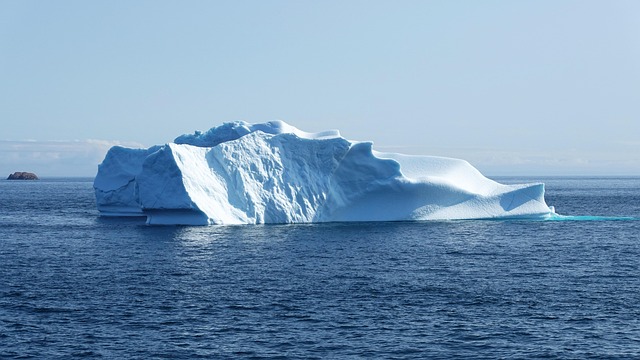
There is a hush that settles over polar landscapes just before dawn. Then, a soft plink breaks the silence—the sound of the ice giving way, the sound of our planet quietly reshaping itself. For those of us who follow the headlines about melting glaciers and rising seas, that single droplet can feel deafening. It forces a question: how do we halt the steady drip of climate change when the problem feels so massive, so distant, so inevitable?
The Humble Powerhouse Beneath the Waves
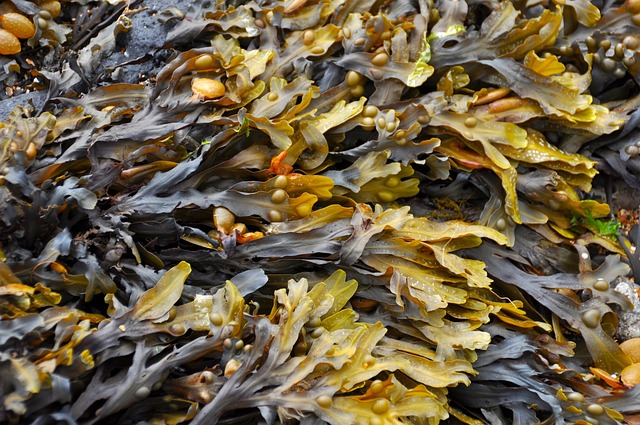
Enter seaweed. At first glance, it may seem like little more than slippery green ribbons lapping the shoreline. Yet, these photosynthetic marvels are among Earth’s oldest life forms, quietly nurturing entire ecosystems from kelp forests off California to brown algal beds in the Arctic north. Packed with minerals, sunlight-fueled energy, and rapid growth rates, seaweed is emerging as an unexpected ally in the fight against climate change—especially in regions where melting ice and warming oceans threaten livelihoods, wildlife, and cultural heritage.
Carbon-Capture on Fast-Forward
Compared to terrestrial plants, seaweed sequesters carbon at breakneck speed. Giant kelp can grow up to half a meter in a single day, pulling CO2 from the water and converting it into biomass. When seaweed sinks to the deep ocean floor, that carbon can remain locked away for centuries. Scientists estimate that large-scale seaweed farms could remove gigatons of CO2 annually—numbers big enough to make a real dent in global emissions, and to slow the very melting that fills our newsfeeds with haunting images of vanishing ice.
Shielding Communities from the Melting Threat
Coastal communities bear the immediate brunt of a warming climate: stronger storm surges, saltwater intrusion, and eroding shorelines. Planting belts of seaweed just offshore can create natural barriers that blunt wave energy, safeguarding fragile coastlines. In places like Greenland, indigenous fishers are experimenting with kelp cultivation not only to store carbon but to diversify their economies as traditional ice-based hunting grounds shrink. The cool, nutrient-rich waters released by melting ice can even super-charge growth, turning adversity into opportunity.
The Cascade of Environmental Benefits
- Habitat Restoration: Dense seaweed forests offer refuge for cod, herring, and countless invertebrates, helping fisheries rebound amid changing temperatures.
- Ocean De-acidification: By absorbing CO2, seaweed locally raises pH levels, buffering shell-forming creatures like mussels and oysters against the corrosive effects of acidifying seas.
- Water Purification: Nitrogen and phosphorus run-off from agriculture fuel algal blooms elsewhere, but farmed seaweed acts as a sponge, scrubbing excess nutrients from the water column.
Climate-Smart Products Straight from the Sea
As we search for alternatives to carbon-intensive goods, seaweed offers surprising versatility. Bioplastics derived from alginate, plant-based meat made savory with umami-rich kelp, methane-reducing livestock feed, and organic fertilizers—these innovations not only open new economic doors but also cut emissions further upstream. Every time we replace a petroleum product with something grown in the ocean’s clean energy cycle, we lighten the planet’s load, one choice at a time.
A Call to Tend the Blue Fields
Of course, seaweed is no silver bullet. Scaling production must be done thoughtfully, respecting marine biodiversity, indigenous rights, and local food webs. But the promise is real—and profoundly personal. Anyone who has stood on a melting glacier or watched king tides lap at a once-safe doorstep knows the urgency of solutions that feel tangible. Cultivating seaweed is tactile, immediate, and—most importantly—within our reach. It invites citizens, entrepreneurs, fishers, and policymakers alike to dip their hands beneath the waves and nurture a living, growing line of defense against climate change.