
The Silent Cracks Beneath Our Feet
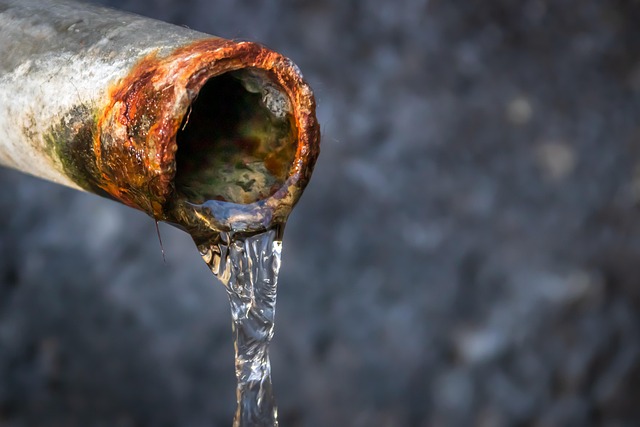
It starts with a drip so faint you scarcely hear it. Yet that tiny, rhythmic echo inside a wall or under a city street signals a brewing crisis. Water pipe damage feels like an everyday inconvenience—an unwelcome puddle in the basement, an unforgiving hissing in the night—but hidden behind the frustration is a much larger story about melting ice caps, rising temperatures, and the delicate fabric of our planet’s climate.
When Melting and Metal Collide
Extreme temperature swings are no longer reserved for distant polar landscapes; they happen in our neighborhoods. A warm winter afternoon followed by a sudden deep freeze stresses aging infrastructure. Metal contracts, joints loosen, and brittle lines fracture. Each fractured pipe releases thousands of liters of treated water that required energy to purify, pump, and heat—energy often generated with fossil fuels. The cycle is cruelly circular: climate change triggers more frequent freeze-thaw events, those events increase water pipe damage, and the resulting energy waste accelerates climate change even further.
The Carbon Footprint of a Leak
Every cubic meter of lost potable water embodies a silent carbon cost. Consider the electricity consumed to extract, treat, and distribute that water. Now picture it seeping invisibly into soil or storm drains where it acquires contaminants, demanding yet more energy to clean downstream. The Environmental Protection Agency estimates that leaking distribution networks in the U.S. alone squander enough energy annually to power hundreds of thousands of homes. That energy, derived from coal, gas, or oil, unleashes additional CO₂ and methane into the atmosphere—gases that trap heat and accelerate polar melting. One compromised valve in your street becomes a pixel in the sprawling picture of global warming.
Urban Flooding and Ecosystem Strain
Beyond the carbon equation, ruptured pipes wreak havoc on local ecosystems. Chlorinated water flooding into rivers dilutes oxygen levels, stressing fish and amphibians already battling warmer waters. Soil around a persistent leak stays saturated, promoting subsidence that can uproot trees whose roots no longer grip firm ground. City engineers call it infrastructure fatigue; ecologists call it habitat degradation; families call it another afternoon of sirens and muddy detours. Whatever the language, the source often traces back to unnoticed water pipe damage.
A Network of Responsibility
Just as glaciers calve piece by piece, municipal water networks crack one joint at a time. The responsibility is braided: policy makers must allocate funds for sensor-based leak detection; utility companies need incentives to swap out century-old cast iron lines; residents can adopt habits that relieve pressure fluctuations—like staggering laundry and dish cycles during peak demand.
Feeling the Drip, Hearing the Planet
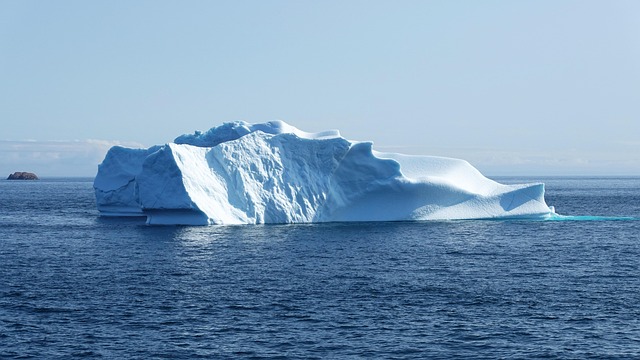
The next time you stand over a sidewalk patchwork of repair cones, pause. Under that slab of concrete lies a story of melting Arctic sea ice, fossil fuel reliance, and the intimate connection between our taps and the planet’s health. Recognizing water pipe damage as a climate issue, not merely a plumbing problem, shifts our mindset from inconvenience to stewardship. Each repaired line becomes a stitched seam in Earth’s warming quilt, holding back a flood of preventable emissions and ecological loss.
Steps Toward a Resilient Flow
- Advocate for Smart Monitoring: Encourage local utilities to install acoustic sensors and AI diagnostics that detect leaks before pavement buckles.
- Support Green Energy Water Treatment: Solar-powered pumping stations and micro-hydro recovery in pipelines cut emissions embedded in every liter.
- Champion Pipe-Friendly Urban Design: Green roofs and permeable pavements reduce runoff, lowering the hydraulic hammer that cracks pipes during storms.
- Engage in Community Audits: Neighborhood watch programs can include auditory surveys for hissing mains or unexplained pooling.
Our warming world is begging for holistic fixes—solutions that treat a leaking main and a melting glacier as chapters of the same narrative. The drip you hear tonight could either symbolize apathy or catalyst. By acknowledging the climate weight of water pipe damage, we choose the latter, transforming everyday maintenance into a collective stride toward environmental equilibrium.