
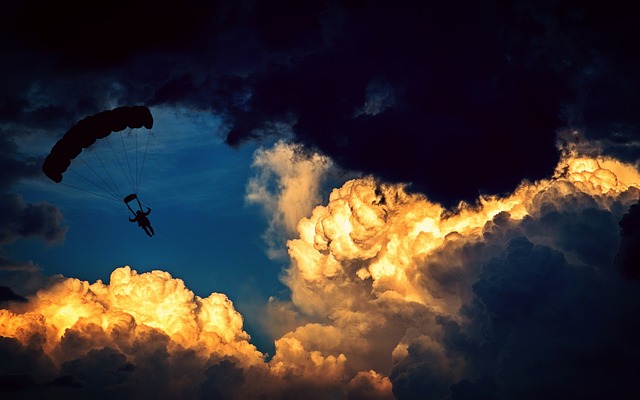

Welcome to our blog category on Extreme Weather, where we delve deep into how these natural phenomena impact our environment. Today, we are shining a light on the pressing issue of climate change and how extreme weather events play a significant role in shaping our planet’s future.
Extreme weather events, such as hurricanes, heatwaves, and wildfires, have become more frequent and intense due to the changing climate. These occurrences not only pose immediate threats to our safety and well-being but also have long-lasting impacts on the environment.
One of the most visible effects of extreme weather events is the damage they cause to ecosystems. Forests are destroyed by wildfires, coral reefs suffer from bleaching due to rising sea temperatures, and animal populations struggle to survive in the face of habitat loss.
Moreover, extreme weather events contribute to the exacerbation of climate change. For example, hurricanes fueled by warm ocean waters become more powerful and destructive, leading to greater economic and social costs. Heatwaves not only put human health at risk but also accelerate the melting of polar ice caps, further contributing to rising sea levels.
It is essential to understand the intricate relationship between extreme weather events and climate change to mitigate their impacts. By reducing our carbon footprint, transitioning to renewable energy sources, and investing in sustainable practices, we can help slow down the pace of global warming and lessen the severity of extreme weather events.
Protecting our environment requires collective action and a commitment to preserving the planet for future generations. Let us all take a stand against climate change and work towards a more sustainable and resilient world. Together, we can make a difference and ensure a brighter future for our planet.