

The urgency of addressing climate change grows stronger with each passing year. As we face rising sea levels, more frequent extreme weather events, and the loss of biodiversity, the world must stop and reflect on our role in these challenges. It is not only about understanding the science behind global warming, but also about developing the necessary wisdom to act effectively and compassionately in response.
Wisdom is more than just knowledge. It embodies empathy, foresight, and responsibility — qualities that guide decisions not only for today but also for generations to come. In the warming category of global issues, this deep sense of understanding becomes critical. Addressing climate change is not a task for future leaders or scientists alone. It’s a moral obligation for every individual, community, and nation that calls this planet home.
Our environment is a delicate and interconnected system, and climate change has disrupted many of its vital balances. Melting glaciers, deforestation, collapsing ecosystems—these are not distant tragedies but evidence of our everyday impact. However, recognizing these realities is just the first step. The heart of wisdom lies in acknowledging that change must come from within us. It compels us to rethink our lifestyles, our consumption habits, and our choices.
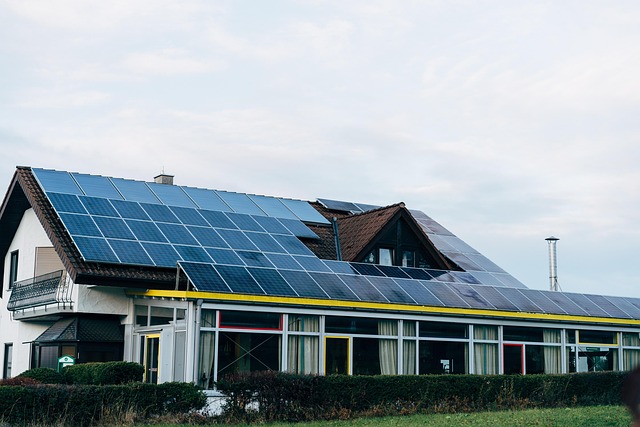
The path to environmental wisdom is paved not merely with facts but with a genuine understanding that we are a part of the environment—not separate from it. Communities around the globe are already modeling this shift in perspective. From indigenous practices that honor nature to modern green technologies that reduce carbon emissions, there are a multitude of inspirations that show us what wise environmental stewardship looks like.
Young people are also rising to champion environmental causes, infusing the climate movement with fresh energy and vision. Their voices ring with a clarity that reminds us that this is about legacy. What kind of world are we leaving behind? Wisdom tells us to think long-term, to prioritize sustainability, and to balance our present needs with the future’s right to thrive.
The cost of inaction is already evident. Droughts displace communities, wildfires destroy homes, and air pollution affects our health. Yet, there is hope. The same creativity that took humanity to the moon and revolutionized global communication can be harnessed to develop solutions for climate change. But creativity without wisdom may lead us astray. We must ensure our innovations align with ecological balance and social justice.
In this moment of warming and environmental alarm, we must ask ourselves: What does it mean to live wisely? To care for the Earth as if it were our own body? As we contemplate our responses, let’s root our actions in solidarity — with nature, with future humans, and with the unseen life forms that depend on our choices.