

The accelerating pace of global warming has moved climate change from a distant concern to an everyday reality. Rising sea levels, intense heatwaves, and shifting ecosystems are no longer abstract science terms; they are pressing challenges that affect food security, health, and livelihoods. In this urgent context, education emerges not merely as a tool for personal development but as a frontline defense against environmental degradation. By embedding climate literacy into curricula, societies can cultivate informed citizens who understand the science, recognize the stakes, and are empowered to act.
Understanding the Science of Warming
Effective environmental education begins with a clear grasp of the underlying science. The greenhouse effect, carbon cycles, and feedback mechanisms such as permafrost thaw or cloud cover changes must be presented in accessible language. Studies show that students who receive early, context-rich instruction in atmospheric physics are more likely to retain complex concepts and apply them to real-world scenarios. Thus, teachers need resources that translate equations into stories about the planet’s changing climate.
- Carbon dioxide concentration trends in ice cores
- Radiative forcing and its role in surface temperature rise
- Feedback loops that amplify or dampen warming
Integrating Interdisciplinary Approaches
Education that addresses climate change must weave together natural sciences, social sciences, and the humanities. For instance, a lesson on the Paris Agreement can be paired with an exploration of how cultural narratives shape environmental policy. This interdisciplinary blend encourages critical thinking and helps students see climate as a multifaceted problem rather than a single scientific puzzle.
“When students connect the dots between climate science, economics, and ethics, they move from passive awareness to active problem-solving,” says Dr. Elena Marquez, an environmental educator.
The Role of Local Context in Climate Lessons
While global data is essential, local case studies resonate more deeply. Communities experiencing drought, floods, or heat stress can document how climate variability alters daily life. By involving local experts—farmers, fishermen, city planners—students gain first-hand insights that bridge textbook information with lived experience. This localized perspective also fosters a sense of agency, as learners see how small actions can have significant regional impacts.
Project-Based Learning as a Catalyst for Action
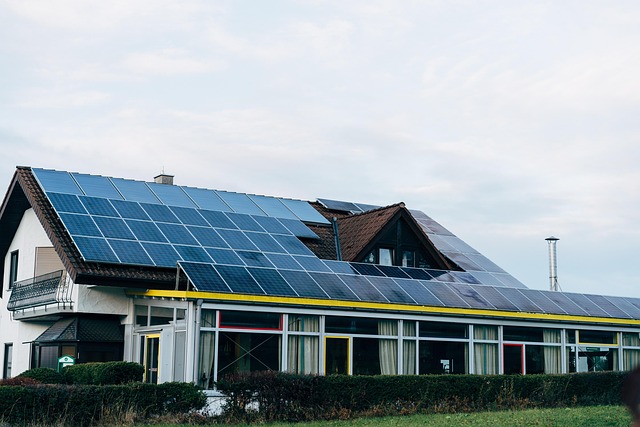
Hands‑on projects, such as building a campus solar panel array or conducting a carbon audit of school facilities, transform abstract concepts into tangible outcomes. These initiatives allow students to measure their own carbon footprints, identify hotspots of inefficiency, and design mitigation strategies. Through project-based learning, education transcends lecture halls and becomes a vehicle for community resilience.
- Designing a rainwater harvesting system for the school
- Implementing a composting program in the cafeteria
- Creating a citizen science platform to monitor local air quality
Teacher Training and Professional Development
Teachers are the linchpin of any successful climate education initiative. Yet many educators feel ill‑prepared to discuss complex environmental topics. Ongoing professional development that combines scientific updates, pedagogical strategies, and ethical discussions equips teachers to deliver content confidently. Moreover, collaborative networks of educators can share best practices, troubleshoot challenges, and keep curricula aligned with evolving scientific consensus.
Assessment: Measuring Understanding and Impact
Assessing climate education is not limited to test scores. Evaluations should capture students’ conceptual knowledge, attitudes toward sustainability, and the extent of behavioral change. Portfolio reviews, reflective essays, and community project reports provide richer data on how education translates into action. This holistic assessment framework ensures that curricula remain relevant and outcomes are measurable.
Policy and Institutional Support
For environmental education to scale, it must be embedded in national education standards and funded by governments. Policies that mandate climate content across all grade levels signal societal priority. Additionally, partnerships between schools, universities, NGOs, and industry can pool resources, bring expertise, and create real‑world learning opportunities. When policy aligns with pedagogy, the ripple effect on public awareness and policy advocacy becomes profound.
Global Cooperation and Knowledge Exchange
Climate change is a shared challenge that transcends borders. International collaboration in curriculum development, teacher exchanges, and research projects fosters a global community of climate-literate citizens. Platforms that allow educators to share lesson plans, student projects, and success stories promote a culture of continuous improvement and collective responsibility.
Future Directions: Integrating Technology and Innovation
Emerging technologies—such as virtual reality simulations of melting glaciers, AI-powered climate modeling tools, and blockchain for transparent carbon tracking—offer exciting avenues to enrich climate education. These innovations can make distant phenomena tangible, illustrate complex data patterns, and demonstrate how technology can both harm and heal the planet. By integrating such tools responsibly, educators can inspire a generation of tech-savvy environmental stewards.
Conclusion: Education as a Climate Resilience Engine
Education stands at the nexus of climate science, societal values, and practical action. By cultivating a comprehensive, interdisciplinary, and locally grounded climate curriculum, we empower individuals to make informed choices, advocate for evidence-based policies, and innovate solutions for a warming world. In the fight against climate change, knowledge is not just power—it is the catalyst for resilience, stewardship, and hope for future generations.