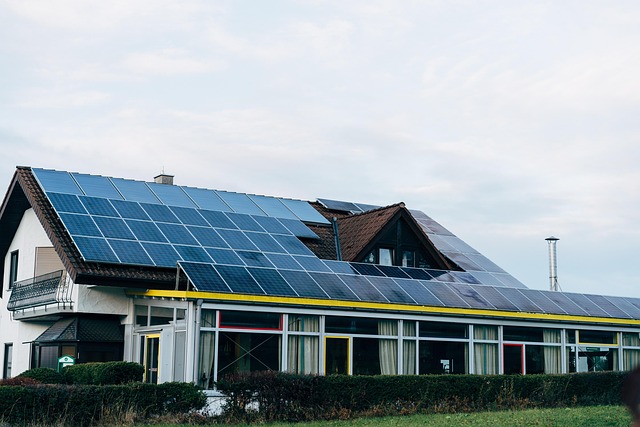


When the world’s climate scientists, policy makers, and community leaders gather in a shared space to confront the urgent question of how to reverse the damaging trajectory of global warming, they do so not just in search of solutions but in pursuit of a more hopeful narrative. A Climate Deescalation Workshop is a purposeful convening where participants, ranging from local environmental NGOs to international research institutions, engage in rigorous dialogue about what it means to slow, stop, and ultimately reverse climate change. The workshop format allows for a structured yet flexible environment where ideas can be explored, tested, and refined through collaborative thinking and experiential learning.
The Rationale Behind a Climate Deescalation Workshop
Climate change is no longer a distant concern; it is a present reality that threatens ecosystems, economies, and human well‑being. The Intergovernmental Panel on Climate Change (IPCC) reports that global temperatures have already risen by approximately 1.1 °C above pre‑industrial levels, and the pace of warming is accelerating. In this context, a workshop dedicated to climate deescalation is essential because it transforms abstract data into actionable strategies. By assembling diverse stakeholders, the workshop harnesses collective expertise and catalyzes the translation of policy goals into ground‑level implementation.
Key Objectives of the Workshop
Every iteration of a Climate Deescalation Workshop follows a set of core objectives that guide the agenda and outcomes:
- Knowledge Consolidation: Synthesizing the latest scientific findings on emissions pathways, mitigation thresholds, and adaptation needs.
- Stakeholder Mapping: Identifying actors across sectors who can influence or are affected by climate action.
- Strategy Co‑creation: Developing tailored, region‑specific action plans that are economically viable and socially equitable.
- Consensus Building: Establishing shared commitments and accountability mechanisms among participants.
- Feedback Loops: Creating systems for monitoring progress and iterating strategies based on real‑time data.
Workshop Structure and Methodology
The design of the workshop is critical to achieving its objectives. A typical agenda balances formal presentations with interactive exercises, ensuring that participants remain engaged and that ideas are generated in an inclusive environment. The following sections describe the main components that make up a well‑structured workshop.
- Opening Keynote: A concise, data‑driven overview of the current climate crisis and the imperative to reverse its impacts.
- Expert Panels: Specialists from climate science, economics, and social justice fields share insights on mitigation technologies, policy instruments, and equity considerations.
- Breakout Sessions: Small, interdisciplinary groups tackle specific themes such as renewable energy deployment, carbon sequestration, or urban resilience.
- Action Plan Workshops: Groups synthesize findings from breakout sessions into concrete, measurable action plans.
- Commitment Circles: Participants publicly affirm their roles and the resources they will allocate toward implementing the action plans.
- Closing Reflection: A moderated discussion that captures lessons learned and sets the stage for follow‑up activities.
Facilitator Roles and Techniques
The success of a Climate Deescalation Workshop hinges on skilled facilitation. Facilitators must master a range of techniques to keep discussions focused, inclusive, and productive:
- Active Listening: Validating participants’ perspectives to build trust and openness.
- Structured Brainstorming: Using methods such as SCAMPER or Six Thinking Hats to explore diverse angles.
- Conflict Resolution: Mediating disagreements to transform tension into constructive dialogue.
- Data Visualization: Presenting complex climate models in accessible formats to aid decision‑making.
- Adaptive Scheduling: Flexibly adjusting the agenda in response to emerging insights or participant needs.
Case Studies: Lessons from Past Workshops
Real‑world examples illustrate the transformative potential of workshop‑driven climate action. Below are three case studies that showcase different contexts and outcomes.
- Urban Energy Transition Workshop (Berlin, 2021): A gathering of city planners, private investors, and community representatives co‑designed a 2030 roadmap to replace coal‑based heating with district heating powered by geothermal and solar thermal. The workshop produced a binding agreement that secured €200 million in public and private funding for infrastructure upgrades.
- Agricultural Resilience Workshop (Punjab, India, 2020): Farmers, agronomists, and NGOs collaborated to develop drought‑resistant cropping calendars and water‑conservation practices. The outcome was a pilot program that increased yields by 15 % while reducing irrigation water use by 25 % in participating villages.
- Carbon Capture Policy Workshop (Saskatchewan, Canada, 2022): Policy makers, industry leaders, and Indigenous community representatives co‑created a regulatory framework that incentivizes carbon capture and storage projects. The framework led to the approval of the first large‑scale carbon capture facility in the province, projected to sequester 1 million tonnes of CO₂ annually.
Ensuring Equity and Inclusion
Climate change disproportionately affects vulnerable populations, and workshop agendas must reflect this reality. Strategies for embedding equity include:
- Inviting representatives from marginalized communities to co‑facilitate sessions.
- Providing translation services and accessible materials to remove language barriers.
- Designing action plans that explicitly address social justice outcomes, such as equitable job creation in green industries.
- Implementing monitoring frameworks that track the distribution of benefits and risks across demographic groups.
Action Plan Development and Implementation
While the workshop environment is ideal for idea generation, the real test lies in turning those ideas into tangible progress. Participants leave the workshop with a clear action plan that outlines responsibilities, timelines, and performance indicators. Key elements include:
- Specific, Measurable, Achievable, Relevant, Time‑Bound (SMART) Goals: Each goal is framed to facilitate progress tracking.
- Resource Allocation Maps: Detailed lists of required financial, technical, and human resources.
- Risk Assessment: Identification of potential obstacles and contingency strategies.
- Stakeholder Accountability Framework: Defined roles and communication channels for maintaining momentum.
Monitoring and Evaluation Frameworks
Without robust monitoring, even the most well‑designed plans risk stagnation. Effective frameworks incorporate:
- Baseline data collection to measure pre‑implementation conditions.
- Regular reporting intervals (quarterly, semi‑annual) to assess progress.
- Third‑party audits to ensure transparency and credibility.
- Adaptive management protocols that allow strategy adjustments in response to performance data.
Post‑Workshop Follow‑Up and Community Building
The closure of a workshop does not signal the end of collaboration. Instead, it marks the beginning of an ongoing partnership that requires sustained engagement. Follow‑up mechanisms may include:
- Digital Platforms: Online forums or collaboration tools that keep participants connected.
- Periodic Check‑Ins: Monthly or quarterly virtual meetings to review milestones.
- Peer‑Review Sessions: Opportunities for participants to critique and refine each other’s action plans.
- Celebration Events: Recognition of milestones achieved, reinforcing motivation and commitment.
Building a Sustainable Culture of Climate Deescalation
Beyond individual workshops, the goal is to embed climate deescalation into institutional cultures and societal norms. This requires:
- Integrating climate objectives into organizational mission statements.
- Offering training programs that build capacity for climate‑smart decision‑making.
- Advocating for policy reforms that institutionalize climate resilience.
- Encouraging public engagement through outreach campaigns and educational initiatives.
Conclusion: The Transformative Power of Collective Action
Climate Deescalation Workshops represent a microcosm of the larger global effort to reverse the trajectory of warming. By bringing together science, policy, and community action in a single, focused forum, these workshops accelerate the translation of knowledge into practice. The iterative process of planning, implementing, and refining actions ensures that strategies remain responsive to new data and changing conditions. Ultimately, the collective will of participants—driven by shared commitment, transparency, and equity—creates a resilient pathway toward a cooler, more sustainable future. The workshop model serves as a powerful reminder that when people collaborate deliberately and passionately, even the most daunting challenges can be met with hope, ingenuity, and determination.